
Nebula Labs
Built at the edge.
Nebula Labs is Team Nebula's product house — the agentic platforms and automation systems we build and run ourselves, held to the same security bar as everything we ship to clients.
Why we built these systems
We build the tools we wish had existed.
Each Labs product started with a problem we met while doing real delivery work. Here is the problem, our answer, and what changed.
Multi-tenant agent platform
NebOS
Why did we build NebOS?
One governed harness for people, agents, tools, and company context.
The problem
AI agents could reach plenty of tools, but each connection brought a different permission model, a different log, and very little shared business context.
Our answer
We built NebOS to bring those pieces through one control path: kill switch, permission check, tenant boundary, human approval when needed, and an audit trail.
What changed
Teams get one place to understand what an agent knows, what it can do, and how to stop or review it.
- Tenant isolation by default
- Human approval on consequential actions
- A readable record of every governed action

Outbound automation
HyperScale OS
Why did we build HyperScale?
One reliable workflow for outreach across channels.
The problem
Growth teams were copying leads, messages, and follow-ups between separate tools. Every new channel created another inbox and another place for work to disappear.
Our answer
We built a visual workflow engine that connects targeting, research, outreach, follow-up, and reply handoff across LinkedIn, email, and social channels.
What changed
The routine work keeps moving while people focus on the replies and relationships that need judgment.
- Multi-channel by default
- Human handoff on real replies
- Built on the same governance as NebOS
Web automation / tooling
HyperCrawl
Why did we build HyperCrawl?
A safe bridge between an agent and the websites people use every day.
The problem
Useful work often lives behind logins and changing web pages. Brittle scripts break, while third-party scraping services add another place for sensitive browsing data to travel.
Our answer
We built a self-hosted web automation engine that turns approved website actions into tools an agent can call from our own infrastructure.
What changed
Agents can research and complete web tasks while the browser session and control layer stay with us.
- Self-hosted, no third-party data pass-through
- Exposes any site as a callable tool
- Runs alongside our own delivery work
Internal delivery tooling
Nebby
Why did we build Nebby?
A careful AI code reviewer with clear limits and a human final decision.
The problem
As our codebase grew, important context could be missed between reviews. A fast reviewer helped—but only if it could inspect code without quietly gaining permission to ship it.
Our answer
We built Nebby with a read-only review identity and a separate, governed path for proposed fixes. It reviews watched repositories, but a person still decides what merges.
What changed
Every pull request gets a consistent second look without turning an automated reviewer into an unsupervised release manager.
- Read-only, scoped access
- Reviews every pull request in the repositories it watches
- Same governance bar as client work
What guides Labs
Cutting edge, security-first.
Security-first posture
Architecture starts from data residency, least privilege, and auditability — so security review is a path to ship, not a wall.
Cutting-edge infrastructure
On-device models, modern agent stacks, and production retrieval — the same class of capability teams see in consumer tools, built to clear enterprise gates.
Regulated by design
Healthcare, government, energy, and industrial operators need AI that respects their boundary. Labs products assume that from day one.
Productivity without the compromise
Privacy does not mean slow. Local-first defaults and explicit cloud choice keep people moving while compliance stays intact.
How security review says yes
Six clear checks turn a good idea into a system people can trust.
The left side is the checklist. As you scroll, the evidence card on the right shows what we prove at each stage. On mobile, all six cards appear in one normal vertical sequence.
Before we build a feature, we map who can see the data, where it may travel, and what happens if the system makes a mistake.
- evidence
- Data residency chosen before UI polish
- also
- Default-deny for network egress of sensitive content
- applies to
- Design and data path
01 / 06 · evidence on file
Built so security can approve — and operators can work.
Consumer tools often win on speed and lose on data path. We invert that: residency, privilege, and auditability first, then capability. Expand the practice groups for the full checklist.
Patterns we align with

- Data residency chosen before UI polish
- Default-deny for network egress of sensitive content
- Bring your own (BYO) keys for any cloud model path
- No training of shared models on customer content

Same people. Same bar.
Labs and client delivery are one practice.
The same forward-deployed engineers who clear security review on client systems set the standard this process is built to.
How we engageServices
Labs products and client services share one bar.
Our engineers embed with your team and stay through delivery. We get your data layer ready, then build and run secure agentic systems on your own infrastructure, under your governance. Expand a track below, then schedule a call if the fit is real.
Engineers join your standups, repos, and incident channels. Systems live in your cloud tenancy or on-prem — not a vendor sandbox. Code, IP, and runbooks are yours from day one. Same discipline that produces Labs products, applied to your stack.
See our approach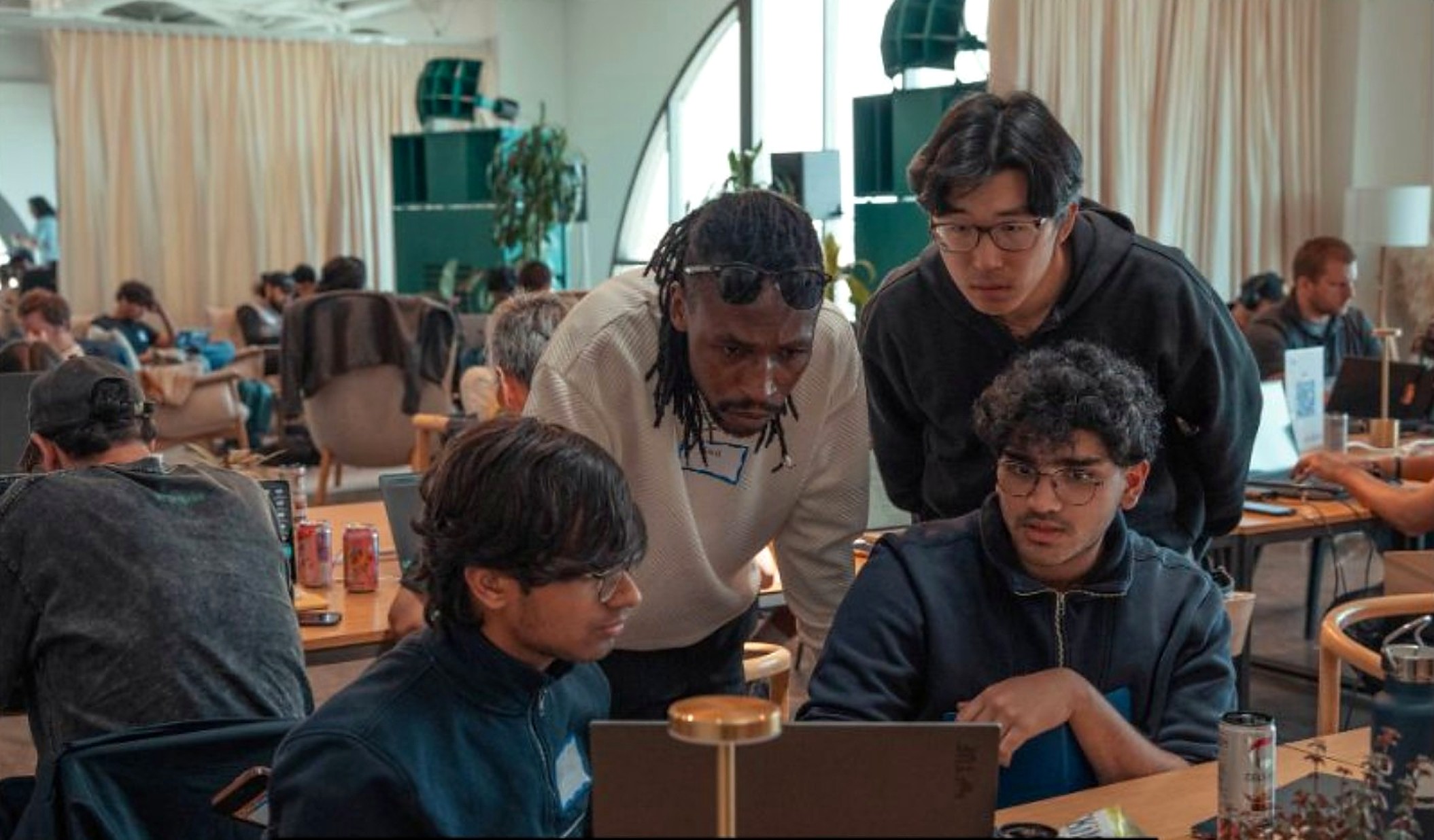


Discovery
Start with how we would work inside your operations.
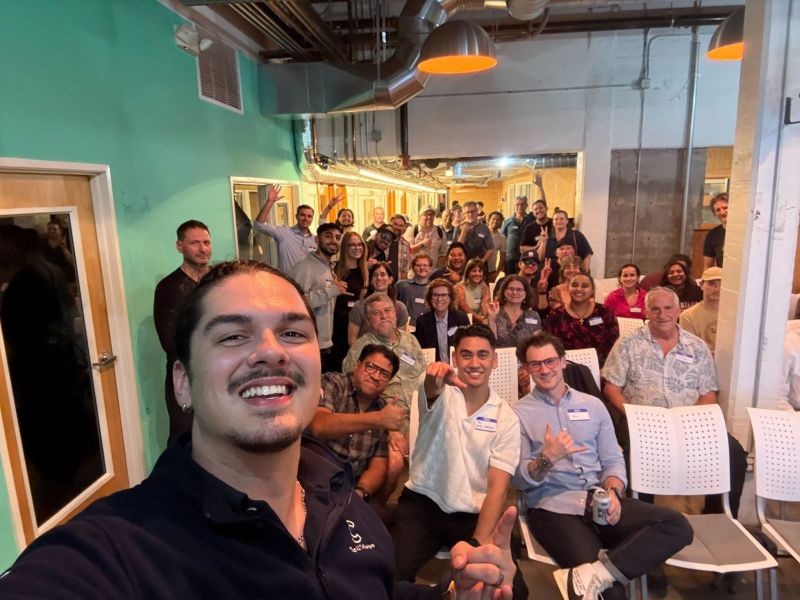
No pitch deck theater — a working session on data path, risk, and what a production system would look like under your controls.
Field notes
The writing queue is public before the writing is.
Notes on secure build, regulated deploy, and product work land here once they clear the same review as the products. Four series are drafting now.
00 published · 04 in draft

Talk to Team Nebula
Labs products share DNA with our forward-deployed work. If you need agentic systems inside your boundary, we build that too.