Take the pilot live. Put your team in control.
Show us where your demo stops. We scope one production workflow with an owner, a test set and a way for staff to stop or correct it.
Rivus · 5 min to answer an incoming sales inquiryWe embed with your team
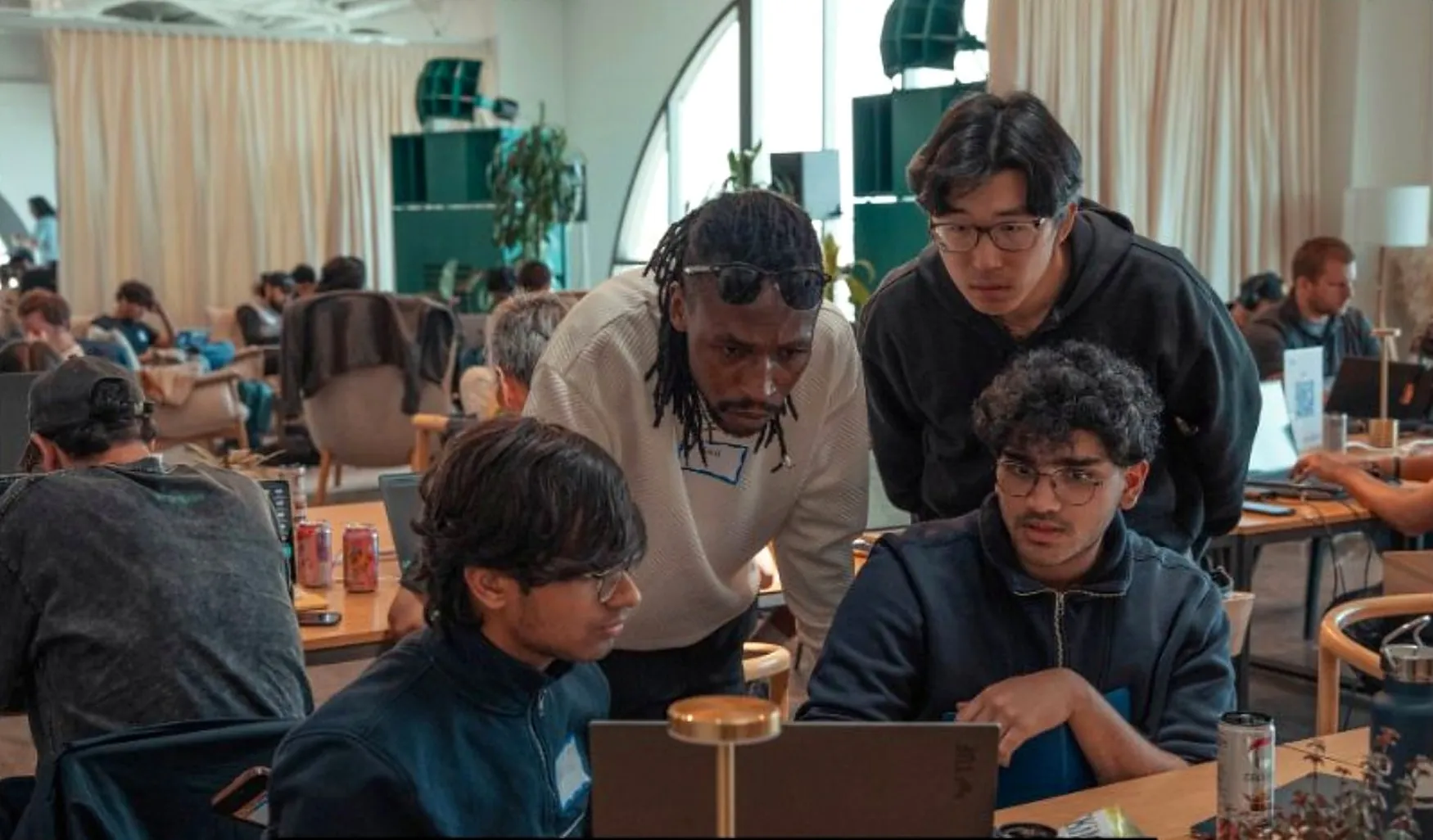
Our engineers sit with the people who do the work. Together we follow one case from the first request to the decision someone has to make.
 Shawn ReddyCEO & Founder, Growth & Partners
 Abraham NoyaCOO & Founder, Client Engagement
 Ian KikuCTO & Founder, AI Architect
We map before we build
Walk one real case through the systems it touches. A shared map shows which records matter, who grants access and where a handoff can fail.
- System endpoints and owners
- Access and approval boundaries
- Failure cases worth testing
We make your data the moat
Connect the records your operators rely on. Keep the source, access rules and revision history attached as an answer moves from one system to another.
- ERPs and mainframes
- Controlled document stores
- Operational databases
We build the agents
Build one workflow against real cases. Give its owner a way to inspect the evidence, correct an answer and approve the next action.
- Does the answer cite the right record?
- Who reviews an exception?
- Can staff stop the next action?
We run it in production
Release to a defined group, review failures with the process owner and agree who can pause, roll back or expand the rollout.
- Release and rollback instructions
- A named owner for alerts
- Evaluation cases for the next change
What your team gets
We define acceptance with the people who operate the workflow. Three deliverables make the handoff concrete.
A workflow and an owner
Map where the work starts, the records it uses, who approves changes and where exceptions go. Pick the measure to beat.
An integration your team can test
Connect one workflow to approved systems and run real cases, failures included. The process owner signs off on the results.
A release and a runbook
Roll out to a defined group. Deliver operating instructions, alert ownership and a rollback path. Agree who will resolve issues after launch.
Who owns the first live decision?
Walk a real exception through with the operator who gets it. Their answer sets the approval step, the test and the rollback.
Work behind this approach.
Rivus
Rivus linked incoming requests to product data and quoting in its CRM. Reps pick up each request with context attached.
Read the case studyQuestions we hear.
When is a pilot ready for this engagement?
When you can name the owner, show a real input and say what someone still does by hand after the demo.
What if a pilot fails its acceptance tests?
We log the failing cases, then narrow the rollout, revise the workflow or pause, using criteria agreed before the build.
How do we evaluate the cost?
Cost follows integrations, data access, review needs and who runs the system. We size those with you before we propose a build.
Show us the handoff your demo can't make.
Bring one representative case and the person who would approve the result.
Find your starting point.
Each one opens with a workflow, a case study and a first step.